

Saving Big on Taxes in Retirement: A Complete Guide to Tax-Free Strategies
September 23, 2026


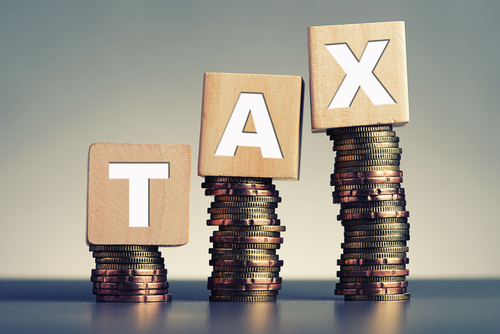
Taxes could be your biggest expense in retirement. Most people assume they'll pay less in taxes when they retire because they're no longer earning a paycheck. But that assumption could cost you hundreds of thousands of dollars.
The truth is, you could end up paying even more taxes in retirement than you did while working. When you add up withdrawals from your IRA and 401(k), Social Security benefits, and other investment income, you might find yourself in a higher tax bracket than ever before.
Your retirement savings in traditional IRAs and 401(k)s are essentially joint accounts between you and the IRS. Every dollar you withdraw gets taxed as ordinary income. That growth you've been celebrating for decades? It's been compounding your tax problem.
Consider this scenario from B.O.S.S. Retirement Solutions: A client with a million-dollar 401(k) discovered they would owe over a million dollars in taxes throughout retirement. That's more in taxes than their entire account balance.
The math is sobering. Required minimum distributions starting at age 73 force you to withdraw money whether you need it or not. These withdrawals get taxed at your highest marginal rate and can push you into higher tax brackets.
The secret to keeping more of your hard-earned money is building tax-free income streams. When you have income that doesn't count toward your taxable income, you gain tremendous flexibility and savings potential.
The key is transitioning money from taxable accounts to tax-free accounts while tax rates remain relatively low.
A Roth conversion moves money from your traditional IRA or 401(k) into a Roth IRA. You pay taxes now on the converted amount, but then enjoy tax-free growth and withdrawals for the rest of your life.
Here's a real example: Educators with close to a million dollars in retirement assets faced over a million dollars in lifetime taxes if they did nothing. By implementing a systematic Roth conversion strategy over five to six years, they reduced their total tax obligation to around $300,000 to $350,000.
That's a potential savings of $700,000 that stays in their pocket instead of going to Uncle Sam.
The numbers speak for themselves. Whether you have $300,000, $500,000, or $1 million in retirement accounts, strategic tax planning typically saves around 70% of your lifetime tax burden.
These savings compound over time because:
We're currently experiencing some of the lowest tax rates in 40 years. During wartime, tax rates hit 91%. They stayed at 80% until the 1980s. For most people alive today, current federal tax rates are the cheapest they've ever experienced in their lifetimes.
This creates a unique window of opportunity. You can pay taxes on your retirement savings at today's rates and avoid much higher rates in the future.
Tax planning in retirement isn't just about income taxes; it also involves other tax considerations. Poor tax planning can:
Thoughtful tax planning addresses all these interconnected issues simultaneously.
Many people attempt to handle Roth conversions on their own, making costly errors. One investor learned about Roth conversions, cashed out his entire IRA and deposited the funds into his checking account, and planned to contribute the annual maximum to a Roth each year.
This approach would have taken decades and triggered unnecessary taxes immediately. Roth conversions have no annual limits - only contribution limits apply to new money going into Roth accounts.
Another business owner pushed $700,000 into a Roth in a single year without professional guidance. He maxed out his tax bracket, triggering Medicare premium increases that lasted for years.
Tax planning requires understanding current brackets, future projections, and the interconnected nature of retirement income sources. Working with B.O.S.S. Retirement Solutions can help you:
The biggest mistake is waiting. Every year you delay could mean thousands more in unnecessary taxes. Market growth of 23% in a recent year helped investors recover their conversion taxes in just 12 months, while securing tax-free status for good.
Your retirement tax strategy should be part of a comprehensive plan that includes:
There are no annual limits on Roth conversions, unlike contributions to Roth IRAs. The key is staying within your target tax brackets to minimize the tax impact.
Age 59½ is often ideal because you can access converted funds without penalties, and you typically have several years before required minimum distributions begin.
Yes, you pay income taxes on the converted amount in the year of conversion. However, all future growth and withdrawals are tax-free.
While it is possible, converting large amounts in one year often pushes you into higher tax brackets. Most people benefit from spreading conversions over multiple years.
Even if tax rates decrease, Roth conversions still provide valuable benefits, including no required minimum distributions, tax-free growth, and estate planning advantages.
Roth IRA withdrawals don't count toward the income calculation that determines Social Security taxation, potentially keeping more of your benefits tax-free.
Your retirement tax bill doesn't have to be your most significant expense. With proper planning and strategic use of tax-free accounts, you can save hundreds of thousands of dollars over your lifetime.
The combination of historically low tax rates and powerful conversion strategies creates an unprecedented opportunity. But this window won't stay open forever.
Don't let your retirement savings become a ticking tax bomb. Take control of your tax destiny while you still have time to make a difference.
Ready to discover how much you could save in retirement taxes? B.O.S.S. Retirement Solutions offers a comprehensive tax analysis to show you exactly how these strategies could work for your situation. Call 800-637-1031 for your free customized analysis, or click here to get the free report. Don't wait - every year you delay could cost you thousands in unnecessary taxes.
The Framework for a More Confident Retirement
Designed to deliver simplified, personalized financial strategies, the B.O.S.S. Retirement Blueprint™ planning process helps maximize income, growth and legacy while minimizing taxes. Ready to view your retirement from a new angle?